
Varanasi Ayodhya and Prayagraj A Tour Package : Have you ever felt like there’s more to life than what meets the eye? Like there’s a hidden dimension of reality just beyond your normal perception, waiting to reveal itself? Welcome to India’s mystical triangle—Varanasi, Ayodhya, and Prayagraj—three ancient cities where the veil between the ordinary and the extraordinary becomes paper-thin, where magic isn’t just a metaphor but a lived experience.
This isn’t your typical tour package filled with rushed photo opportunities and superficial encounters. This is an invitation to step into realms where rivers flow with consciousness, where stones remember prayers spoken thousands of years ago, and where strangers become spiritual family within moments. These three cities have captivated seekers, poets, saints, and wanderers for millennia, each person discovering their own brand of magic within the labyrinthine lanes, sacred waters, and timeless temples.
What makes this particular journey magical? It’s the alchemy that happens when ancient wisdom meets modern souls hungry for meaning. It’s the unexpected tears during an evening aarti, the inexplicable peace sitting by the Ganges at dawn, or the sudden clarity about life’s purpose while watching cremation fires burn continuously. Magic here doesn’t require belief—it simply unfolds when you open yourself to possibilities beyond your everyday reality.
What Makes This Tour Package Truly Magical?
Beyond Ordinary Tourism
Let’s be honest—most tours treat spirituality like another checkbox: temple, check; ritual, check; photo opportunity, check. This package operates differently. We’ve designed it for people seeking transformation, not just tourism. Every element serves a deeper purpose: creating space for reflection, facilitating genuine encounters with tradition, and allowing magic to emerge organically rather than forcing manufactured “spiritual” moments.
The magic lies in the details: arriving at the ghats before crowds arrive, when mystics and early morning bathers create an atmosphere of pure devotion. It’s found in unhurried time to simply sit and observe life unfolding, in conversations with guides who share not just facts but personal spiritual insights, in flexibility to follow unexpected opportunities when a local invites you to a family ceremony or a sadhu offers impromptu teachings.
Unlike typical tours that rush you from one Instagram backdrop to another, this journey understands that magic requires slowing down. Some of the most profound moments happen in “empty” time—sitting on temple steps watching people pray, wandering without destination through old city lanes, or simply breathing beside the river as sunset paints the sky. These unstructured moments often become the most treasured memories.
The Perfect Balance of Structure and Freedom
Structure provides safety and efficiency—you won’t waste precious time figuring out logistics or miss important experiences due to lack of planning. Our expertly crafted itinerary ensures you encounter each city’s essential magic: the ghats at optimal times, the most spiritually significant temples, and ritual moments that occur at specific hours.
But freedom creates space for personal magic to emerge. That’s why each day includes substantial unscheduled time. Maybe you’ll feel drawn to return to a particular temple for private meditation. Perhaps you’ll want to explore a neighborhood that caught your eye during a drive. Or you might simply need solitude to process the intense experiences accumulating daily. This flexibility honors the fact that everyone’s magical moments arrive differently.
The balance also manifests in group dynamics. Shared experiences create bonds and allow collective energy to amplify magical moments—there’s something powerful about experiencing aarti together or discussing insights over dinner. Yet the package also respects the solitary nature of deep spiritual work, ensuring private time and space for inner journeys.
Varanasi – Where Magic Becomes Reality
The Mystical Morning Rituals
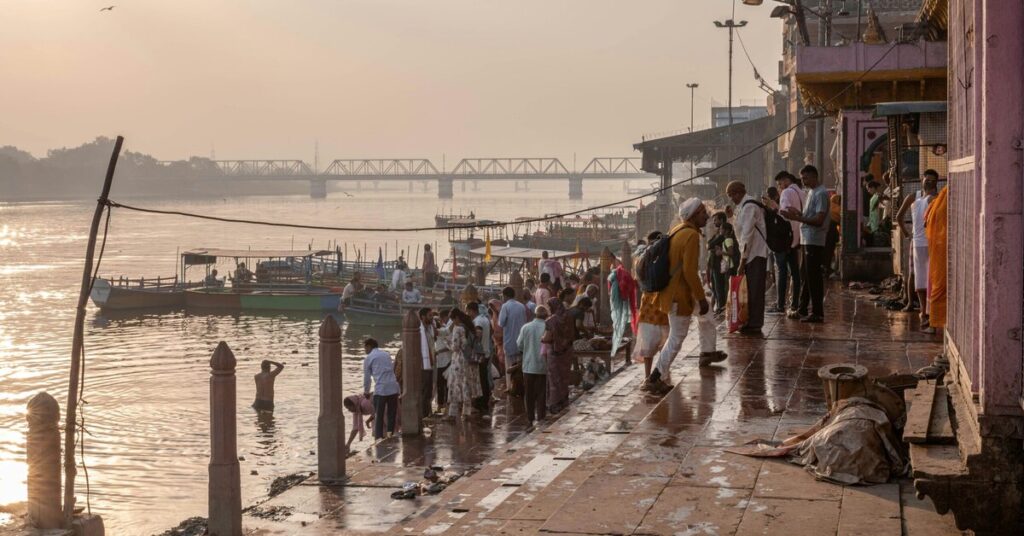
Picture this: you wake while darkness still blankets the city, sensing anticipation in the air. By 5:00 AM, you’re stepping into a wooden boat, the Ganges stretching before you like liquid silver in the pre-dawn light. This is when Varanasi reveals its deepest magic—when the city performs its ancient dance between night and day, death and rebirth, sleep and awakening.
As your boat glides silently across the water, the eastern sky begins blushing pink and gold. Temple spires emerge from darkness like surfacing spirits. And then the city awakens: pilgrims descending steps for sacred baths, their white clothes glowing in gathering light. A sadhu stands waist-deep in water, arms raised toward the rising sun, chanting mantras that vibrate across the river. Steam rises from the water’s surface, creating an otherworldly mist that makes everything look like a dream.
The magic intensifies as sunlight breaks the horizon. Suddenly, the river transforms from shadowy mystery to luminous gold, catching fire with reflected light. In this moment, you understand why millions believe the Ganges descends from heaven—it literally looks celestial, otherworldly, divine. Tears might surprise you. Many visitors report sudden emotional releases during this experience, as if the beauty cracks open something sealed within their hearts.
But the magic isn’t just visual. Listen closely: temple bells ringing from dozens of shrines, conch shells blowing their ancient calls, Sanskrit mantras floating across water, boat oars splashing rhythmically. These sounds create a sonic landscape unchanged for thousands of years. You’re hearing what Buddha heard, what mystics and saints across centuries experienced. Time collapses; past and present merge. That’s the morning magic of Varanasi—it transports you beyond time itself.
Evening Enchantment at the Ghats
If morning in Varanasi feels like awakening from a dream, evening feels like entering one. As dusk approaches, excitement builds along the ghats. Thousands gather at Dashashwamedh Ghat—the most famous and visually stunning venue for the nightly Ganga Aarti. Your boat secures a perfect viewing position on the river, offering an unobstructed panorama of the spectacle about to unfold.
The ritual begins with a dramatic conch shell blast that silences conversations and focuses attention. Seven young priests, dressed in striking saffron robes, step onto raised platforms. They carry massive brass lamps with multiple wicks—some so large they require two hands to manipulate. What happens next can only be described as sacred theater, a visual symphony of devotion.
The priests move in perfect synchronization, lifting the heavy lamps, creating sweeping circles of fire against the darkening sky. Flames trace patterns that seem to write prayers in light. The movements accelerate—faster, higher, more complex—while a small orchestra provides rhythmic accompaniment with drums, cymbals, and harmonium. The energy builds like a wave, pulling everyone present into its current.
Here’s where the magic happens: you stop being an observer and become a participant. Your heartbeat synchronizes with the drums. Your breath matches the rhythm of the rising and falling flames. Thousands of voices around you join in devotional songs, and suddenly you’re singing too, even if you don’t know the words or understand their meaning. Something primal and profound takes over—you’re experiencing collective ecstasy, communal transcendence, the human family united in wonder.
As the ceremony concludes, small leaf boats carrying flowers and lit candles are released onto the river. Hundreds of tiny flames drift downstream, carrying prayers toward the sea. Watching them float away under the stars, you might feel your own worries and burdens floating away too. That’s the evening enchantment—it doesn’t just show you something beautiful; it actively transforms your inner state.
Hidden Magical Corners of the Old City
While the ghats rightfully draw attention, Varanasi’s old city conceals countless magical spots known mainly to locals and initiated seekers. Our guides—many born and raised here—unlock these secrets. You’ll wander through lanes so narrow that two people can barely pass, where overhanging buildings create tunnel-like passages that block out the sun, keeping ancient coolness even in summer.
These lanes lead to unexpected treasures: a tiny Shiva temple tucked into a wall, barely large enough for one person, yet radiating tremendous energy. Local women come here daily to perform private prayers, anointing the lingam with milk and decorating it with fresh flowers. Your guide explains this is a neighborhood deity, a protecting presence for families living nearby for generations. The intimacy of such small shrines often feels more powerful than grand temples—you’re witnessing personal devotion, not performance for tourists.
You might encounter sadhus—Hindu holy men who’ve renounced worldly life for spiritual pursuits. Some have lived in Varanasi for decades, meditating in caves or tiny rooms, eating one meal daily, owning nothing beyond a saffron cloth and begging bowl. Their eyes carry a depth that photographs can’t capture—a combination of peace, intensity, and something otherworldly. If approached respectfully, many share wisdom accumulated through years of inner exploration. These spontaneous teachings become magical moments: a sadhu offering you prasad and blessing, another explaining consciousness in broken English that somehow pierces straight to truth, or simply sitting in silence beside someone who embodies peace.
The old city also hides shops where magic happens daily: silk weavers creating intricate patterns on traditional looms, their fingers dancing across threads with impossible speed and precision. Watching them work feels meditative, hypnotic. Or musicians practicing classical ragas in cramped rooms, their instruments producing sounds that seem to originate in other dimensions. These aren’t tourist attractions—they’re living traditions, and witnessing them feels like privilege, like being admitted to sacred spaces usually closed to outsiders.
Ayodhya – The Land of Divine Stories
Walking Through Living Legends
Arriving in Ayodhya feels like opening a beloved childhood storybook and finding yourself inside its pages. Every location here connects to the Ramayana, India’s epic tale of the god-king Rama. But unlike visiting historical sites elsewhere, where events feel safely contained in the past, Ayodhya makes mythology feel present, alive, immediate.
The magic begins the moment you enter the city. Shopkeepers casually reference “when Lord Rama walked these streets” as if it happened last week rather than millennia ago. Temples mark spots where specific Ramayana scenes unfolded: Rama’s birth, his wedding to Sita, his coronation after returning from exile. For believers, these aren’t symbolic locations—they’re actual places where divinity touched earth, and that energy remains palpable.
What creates the magic is how naturally locals blend ancient stories into contemporary life. A rickshaw driver might point out a tree saying, “Hanuman rested here,” with the same matter-of-fact tone used to indicate a grocery store. Children play games reenacting Rama’s adventures. Evening conversations reference characters from the epic as if they’re relatives: “Rama would have handled it differently,” someone might say about a neighborhood dispute, invoking divine example to solve modern problems.
This seamless integration of mythology and reality creates enchantment. You start questioning Western assumptions about “reality” versus “legend.” Maybe these categories are artificial? Perhaps stories survive thousands of years because they touch something true beyond factual accuracy? Walking Ayodhya’s streets with these questions dissolving rigid thinking feels like a magical opening of perception.
Temples That Tell Tales
Ayodhya’s temples function as three-dimensional storybooks, their architecture and artwork depicting Ramayana scenes in stunning detail. The newly constructed Ram Janmabhoomi Temple represents modern devotion’s pinnacle—magnificent in scale, intricate in craftsmanship, and absolutely buzzing with spiritual energy from millions of prayers and pilgrim tears already absorbed into its walls despite its recent completion.
Entering this temple complex triggers powerful emotions in many visitors, believers and non-believers alike. Some report sudden overwhelming love, others unexpected grief for personal losses, and many simply profound peace. The magic isn’t in the building materials but in the concentrated intention it represents—dreams fulfilled, faith validated, devotion given physical form. Walking through its halls, you’re moving through solidified belief, and that collective conviction creates tangible energy.
Hanuman Garhi presents different magic—older, warrior-like, protective. This fortress-temple to Rama’s devoted servant sits atop a hill requiring a climb up 76 steep steps. The effort becomes pilgrimage itself: each step representing obstacles overcome through devotion, each landing offering rest and reflection. Elderly pilgrims climb slowly, chanting Hanuman’s name with each step—”Jai Bajrangbali! Jai Bajrangbali!”—creating a sonic atmosphere of determined faith.
Inside, the temple’s energy feels fierce, protective, almost martial. Hanuman embodies strength in service of the divine, and his temple radiates that quality. Many visitors report feeling protected afterward, as if they’ve received a spiritual bodyguard. Whether you attribute this to divine intervention or psychological empowerment from encountering symbols of strength, the effect remains magical—you leave feeling more courageous, more capable.
Kanak Bhawan offers softer magic—the sweetness of divine romance. This temple dedicated to Rama and Sita as a couple celebrates the sacred marriage, divine love expressed through human relationship. The presiding deities are adorned with exquisite jewelry and silk clothing changed daily, resembling a royal couple maintaining their household. The atmosphere feels tender, intimate, almost domestic despite the temple setting.
Couples often come here seeking blessings for their marriages, and the temple has a reputation for answering prayers related to relationships. Is this superstition or does concentrated devotion in specific locations create genuine energetic effects? The magic of Ayodhya encourages leaving such questions open, embracing mystery rather than demanding rational explanations for everything.
Prayagraj – The Confluence of Cosmic Energy
The Sacred Sangam Experience
If Varanasi teaches acceptance of life’s impermanence and Ayodhya celebrates dharmic living, Prayagraj offers purification—the possibility of washing clean and starting fresh. The magic centers on the Triveni Sangam, the point where three sacred rivers meet: the visible Ganges and Yamuna, plus the mystical Saraswati believed to flow underground.
The boat ride to the Sangam feels like approaching something ancient and powerful. As you near the confluence, you literally see two rivers of different colors merging—the Ganges carrying sediment that gives it a grayish hue, the Yamuna flowing clearer with greenish tones. The line where they meet creates a visible boundary that shifts and swirls, never static, always dancing. It’s mesmerizing, almost hypnotic, to watch this liquid border where distinct flows become one.
But the real magic happens if you choose to bathe. Sliding into the confluence feels like entering a different dimension of water—temperature shifts, currents pull from multiple directions simultaneously, and something indefinable but palpable suffuses the experience. Millions believe bathing here washes away sins accumulated across lifetimes, offering spiritual rebirth.
Believer or skeptic, the experience carries power. Many visitors report unexpected emotional releases: crying for no clear reason, sudden forgiveness of long-held grudges, clarity about life direction, or simply profound peace. Scientists might attribute this to cold water immersion triggering physiological responses; believers see divine grace at work. The magic lies in how the experience transforms regardless of your explanation.
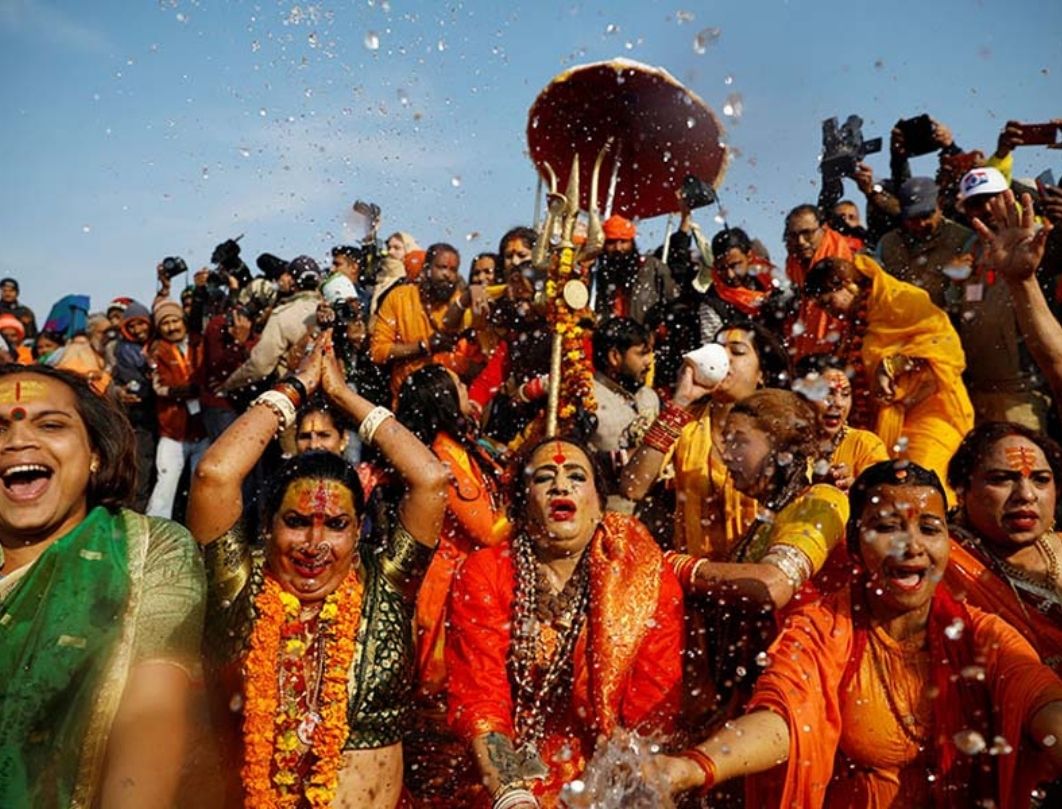
Around you, the scene unfolds like a timeless ritual tableau: elderly pilgrims completing lifelong dreams to bathe at the Sangam, their faces radiating joy and relief. Priests conducting ceremonies for families, chanting Sanskrit prayers while offering flowers and sacred water. Sadhus meditating while submerged to their necks, looking like disembodied heads floating on water’s surface. Everyone shares this space democratically—rich and poor, educated and illiterate, Indian and foreign—all equal before the rivers’ purifying power.
The Timeless Allure of Ancient Rituals
Prayagraj’s magic amplifies during ritual moments. Our package times your Sangam visit for auspicious hours when ceremonies multiply and the spiritual atmosphere intensifies. You might witness Pind Daan—rituals performed for deceased ancestors, ensuring their peaceful transition through afterlife realms. Watching families complete these rites with such sincerity and emotion reminds you that relationships transcend death, that love persists beyond the grave.
Or perhaps you’ll arrive during evening aarti at the ghats, smaller and more intimate than Varanasi’s spectacles but equally moving. The simplicity creates its own magic—a single priest with a lamp, a handful of devotees singing together, the quiet river reflecting flames. Sometimes less is more; these humble ceremonies can touch hearts more deeply than grand productions because their authenticity shines unobscured by performance elements.
The magic also resides in Prayagraj’s cyclical nature. Every year, the Magh Mela brings millions for ritual bathing. Every six years, the Ardh Kumbh Mela multiplies that number. And every twelve years, the Maha Kumbh Mela creates humanity’s largest peaceful gathering—a hundred million souls converging for collective purification. Even in ordinary times, you feel this cyclical energy, this sense of participating in something that repeats across time, connecting you to every pilgrim who ever came before and will come after.
The Complete 7-Day Magical Journey
Day 1-2: Varanasi’s Spiritual Awakening
Your magical journey begins with arrival in Varanasi, where our representative greets you with traditional welcome—perhaps a marigold garland and the respectful “Namaste” gesture. The drive to your hotel introduces you to organized chaos: vehicles, pedestrians, cows, and motorcycles navigating streets in patterns that seem anarchic yet somehow function. This is your first lesson in Indian magic—apparent disorder concealing underlying order.
After settling into your accommodation—whether a heritage haveli with carved balconies or a modern riverside hotel—afternoon rest prepares you for evening’s main event. Around 5:00 PM, we’ll escort you to the ghats for your first Ganges encounter. The evening boat ride and aarti ceremony introduce you to Varanasi’s spiritual theater, establishing the tone for everything that follows.
Day two begins extraordinarily early, but the 5:30 AM alarm proves worthwhile when you experience sunrise on the Ganges. This morning boat ride often becomes the entire journey’s highlight—that golden hour when the city wakes to prayer, when beauty and devotion merge seamlessly. After returning for breakfast, you’ll have time to rest before visiting Kashi Vishwanath Temple, Varanasi’s spiritual heart, and the nearby ghats for walking exploration.
The afternoon brings a contrast: Sarnath, where Buddha taught and Buddhism was born. This peaceful archaeological site offers respite from Varanasi’s intensity while demonstrating how multiple spiritual traditions flourish in India’s tolerant landscape. Evening returns you to the ghats for personal exploration or quiet contemplation by the river.
Day 3: Cultural Treasures and Hidden Gems
The third day shifts from grand religious sites to cultural treasures and intimate encounters. A morning walking tour through the old city reveals the magical hidden corners discussed earlier: tiny neighborhood temples, artisan workshops, unexpected architectural details, and spontaneous encounters with local characters who make Varanasi fascinating beyond its religious functions.
You’ll visit a traditional silk weaving workshop where artisans practice crafts unchanged for centuries. The magic of watching complex patterns emerge from flying fingers and clicking looms creates meditation-like trance states. These weavers inherit knowledge through family lineages stretching back generations, and supporting their work helps preserve endangered traditions.
Afternoon includes free time—maybe you’ll revisit a favorite ghat, explore markets for spiritual items like singing bowls or devotional paintings, or simply rest and integrate the intense experiences accumulated over two days. India’s spiritual cities can overwhelm; space for processing matters as much as activity.
Evening brings a classical music performance—perhaps sitar or tabla virtuosos, or a vocalist performing complex ragas. Varanasi has nurtured legendary musicians for centuries, and experiencing this tradition live reveals music as spiritual practice rather than entertainment. The performers often achieve meditative states while playing, and that consciousness transmits to attentive listeners. You might find yourself unexpectedly moved, even crying, though you can’t name the emotion the music evokes. That’s the magic of sacred sound—it bypasses intellectual understanding and touches something deeper.
Day 4-5: Ayodhya’s Divine Embrace
Morning departure from Varanasi feels bittersweet—you’re leaving magic but moving toward different magic. The four-hour journey to Ayodhya crosses rural Uttar Pradesh, offering windows into village life: women in brilliant saris working fields, buffalo-drawn carts hauling harvest, children in school uniforms walking along roadsides, and everywhere the green intensity of agriculture that’s sustained civilization here for millennia.
Arriving in Ayodhya, the atmosphere shift becomes immediately apparent. Where Varanasi feels ancient, intense, almost overwhelming, Ayodhya emanates gentle devotion, a softer energy. After hotel check-in and lunch, anticipation builds for visiting Ram Janmabhoomi, the main temple complex marking Rama’s birthplace.
Security procedures reflect the site’s importance and controversial history, but once inside, the experience justifies any inconvenience. The temple’s magnificence impresses, but more powerful is the concentrated devotion—you’re standing where millions believe divinity incarnated, where myth and history blur into something transcendent. Some visitors report physical sensations—tingling, warmth, or pressure in specific chakras—while others simply feel overwhelming peace or unexpected tears. The magic manifests uniquely for each person.
Evening brings gentler magic at Sarayu River ghats for aarti. Smaller than Varanasi’s productions, these ceremonies feel more personal, intimate. You might find yourself singing along, lamp in hand, participating rather than just observing. The distinction between tourist and pilgrim dissolves—in this moment, everyone shares the same desire to connect with something sacred.
Day five explores Ayodhya more deeply: Hanuman Garhi with its climb and protective energy, Kanak Bhawan’s romantic atmosphere, and various smaller temples each telling specific Ramayana stories. The day’s magic comes from accumulated immersion—by afternoon, you’re no longer translating references but instinctively understanding them, mythological names rolling naturally off your tongue, the epic’s moral lessons starting to inform your own thinking.
Day 6-7: Prayagraj’s Purifying Waters
The journey to Prayagraj completes the triangle, bringing you to the third sacred city and its distinctive offering: purification. After arrival and rest, the afternoon boat ride to the Triveni Sangam becomes your journey’s spiritual crescendo. Three days in Varanasi taught acceptance; two days in Ayodhya celebrated dharma; now Prayagraj offers washing clean and beginning fresh.
The bathing experience—if you choose to participate—creates profound moments. Some visitors describe feeling literally lighter afterward, as if physical weight dissolved along with spiritual burdens. Others report clarity about decisions they’d been struggling with, the right path suddenly obvious. These aren’t promises or guarantees, just commonly reported experiences. The magic works differently for everyone because it responds to individual needs and openness.
The rest of day six explores other Prayagraj ghats and allows personal time for reflection. Perhaps you’ll journal, attempting to capture insights before they fade into memory’s fog. Or maybe you’ll simply sit by the river, watching light change, feeling gratitude for this extraordinary journey approaching its conclusion.
Day seven balances spiritual experiences with historical exploration. The morning visits Allahabad Fort with its ancient Akshaya Vat banyan tree believed to survive even cosmic dissolutions, and Anand Bhawan museum documenting India’s independence struggle. These sites add layers to your understanding—you’ve explored ancient spirituality, now you encounter how that tradition adapted and persisted through colonialism into modern nationhood.
After lunch and any final shopping or personal explorations, we transfer you to the airport or railway station for onward travel. The physical journey ends, but the magical transformation it initiated continues indefinitely within you.
Magical Moments You’ll Experience
Sunrise Boat Rides That Touch Your Soul
There’s something about witnessing dawn on sacred waters that bypasses normal perception and touches something primordial in human consciousness. Perhaps it’s the vulnerability of darkness yielding to light, mirroring our own spiritual journeys from ignorance toward understanding. Or maybe it’s simply that beauty of such magnitude overwhelms our usual mental chatter, creating momentary gaps where magic slips through.
Whatever the mechanism, the sunrise boat rides consistently produce transformative experiences. Hardened skeptics find themselves unexpectedly moved. Cynics discover tears streaming down their faces. Rational thinkers surrender to mystery, admitting some experiences transcend explanation. The morning light on the Ganges doesn’t convince anyone of specific beliefs—it simply opens something closed, softens something hardened, reminds something forgotten.
Spiritual Ceremonies That Move Hearts
Participating in rituals thousands of years old connects you to something vast—the accumulated devotion of countless souls across millennia. During aarti ceremonies, you’re not just watching priests perform; you’re joining a river of faith that’s flowed continuously since before Christianity or Islam existed, since before European civilization emerged from tribalism.
This continuity creates magic. You’re doing what people did when Rome was young, when Buddha walked, when the pyramids were new. That time-spanning quality makes you feel simultaneously tiny (one person in an endless stream) and significant (your devotion adds to the eternal flow). The paradox resolves not intellectually but experientially—you simply feel it, know it, beyond words or concepts.
Unexpected Encounters and Divine Synchronicities
The package’s structure provides safety and ensures key experiences, but magic often arrives through spontaneous moments: a sadhu who appears exactly when you’re struggling with a question and offers precisely the teaching you needed. A local family inviting you to their home ceremony after seeing you pray respectfully at a temple. A chance conversation with another traveler who becomes a lifelong friend or introduces perspectives that shift your worldview.
Our guides recognize these synchronicities and facilitate rather than control them. They know when to provide structure and when to step back, allowing organic magic to emerge. The tour’s flexibility enables following unexpected opportunities—if a special ceremony happens to be scheduled, or a respected teacher is offering darshan (spiritual audience), or a local festival erupts spontaneously, we adjust plans to accommodate these gifts.
Accommodation That Enhances the Magic
Riverside Heritage Properties
Imagine waking to temple bells echoing across water, opening your windows to direct views of the Ganges flowing past, sitting on a centuries-old balcony carved by artisans whose families served maharajas. Heritage properties in these sacred cities don’t just provide beds—they immerse you in living history.
Many of these havelis (traditional mansions) belonged to wealthy merchants or nobles who chose locations near temples and rivers for spiritual convenience. Now converted to boutique hotels, they maintain period architecture while adding modern plumbing and comfort. Wooden pillars carved with divine figures, inner courtyards that once hosted private worship, rooftop terraces offering panoramic views—these spaces enhance rather than distract from spiritual focus.
The magic of heritage accommodation lies in continuity: you sleep in rooms where generations prayed, walked halls traversed by pilgrims across centuries, and wake in spaces consecrated by accumulated devotion. The walls themselves feel imbued with spiritual energy, and staying in such places deepens your connection to these cities’ sacred essence.
Boutique Hotels with Sacred Views
For those preferring contemporary comfort, carefully selected boutique hotels offer modern amenities while maintaining spiritual atmosphere. Floor-to-ceiling windows frame river views like living paintings—you can watch sunrise from bed, observe evening aarti from your balcony, or simply gaze at flowing water during contemplative moments.
These properties understand sacred tourism’s unique requirements: meditation spaces for morning practice, vegetarian restaurants serving sattvic (pure) foods, knowledgeable staff who respect and facilitate spiritual pursuits rather than treating them as quirky tourism. Some include on-site yoga instructors, Ayurvedic spa treatments, and libraries stocked with spiritual texts—everything supporting your inner journey while providing physical ease.
The best boutique hotels achieve balance: comfortable enough that you rest properly between intense experiences, yet embedded enough in the sacred landscape that you never feel disconnected from the spiritual atmosphere that brought you here.
The Mystical Experiences Included
Private Aarti Ceremonies
While witnessing public aartis at famous ghats creates collective magic, private ceremonies offer different intimacy—the feeling of divine attention focused specifically on your intentions and prayers. We can arrange personalized aarti for individuals or small groups at less-crowded ghats or in private temple spaces.
These intimate ceremonies allow deeper participation. You’ll hold the lamp, learn the prayers, understand each gesture’s symbolism, and feel the direct transmission of blessing energy. The priest guides you through ritual steps, explaining meanings often lost in large public ceremonies where attention scatters across thousands of participants. This one-on-one spiritual education creates understanding alongside experience.
Meditation at Sacred Dawn
Structured meditation sessions led by experienced teachers help harness the powerful energies present at these sacred sites. Imagine sitting in padmasana (lotus position) on a relatively quiet ghat as dawn breaks, a skilled meditation guide helping you channel the morning’s transformative energy into inner states of clarity and peace.
These sessions teach portable techniques you’ll use long after returning home—breath practices, visualization methods, mantra meditation—while demonstrating their heightened effectiveness in sacred locations. Many students report breakthroughs during these sessions: achieving meditative depths previously inaccessible, experiencing subtle energy movements (kundalini stirrings), or simply finding a peace that seemed impossible given their usually busy minds.
Moonlight Walks and Temple Visits
Cities of the sacred transform magically after dark. Moonlight on the Ganges creates silver pathways across water. Temples illuminated by oil lamps glow with warm, living light unlike electrical harshness. The energy shifts—less bustling, more contemplative, allowing different types of encounters and experiences.
Evening walks through old quarters reveal domestic spirituality: families performing prayers at neighborhood shrines, children receiving blessings from elderly sadhus, couples circumambulating temples hand-in-hand. These ordinary expressions of faith often touch hearts more deeply than grand ceremonies because they demonstrate how spirituality weaves through everyday life rather than existing only in special moments.
Night also brings access to certain temples that close to tourists during day but welcome sincere seekers after hours. These private visits—arranged through our guides’ relationships with temple authorities—create intimate encounters with the divine, just you and the deity in sanctums heavy with accumulated prayers and incense smoke.
Your Expert Guides to the Mystical
Local Wisdom Keepers
The difference between seeing and understanding, between tourism and transformation, often comes down to your guide. We employ individuals who aren’t just trained professionals but genuine wisdom keepers—people who’ve grown up in these sacred cities, participated in rituals since childhood, and developed deep understanding through lived experience rather than academic study alone.
These guides know stories no textbook contains: local legends passed through generations, the personal histories of particular sadhus, which family has performed specific temple services for centuries, where to find the sweetest lassi or most authentic prasad. They read situations intuitively—sensing when you need information versus contemplative silence, when to introduce you to local characters versus protecting your solitude.
Most importantly, they make magic accessible. Their explanations translate complex philosophy into understandable language, their cultural bridging prevents misunderstandings, and their genuine enthusiasm proves infectious. After days together, relationships often transcend professional boundaries—guides become friends, teachers, and ongoing connections to these sacred cities long after your journey ends.
Cultural Interpreters and Spiritual Facilitators
Beyond logistical coordination, great guides function as cultural interpreters and spiritual facilitators. India’s sacred traditions contain layers of meaning—surface ritual actions, underlying symbolic significance, and deep philosophical substrates. Without interpretation, visitors might see only the surface, missing the depths where true magic resides.
Your guide explains not just what’s happening but why it matters: the meaning behind offering flowers (symbolizing the temporary nature of beauty and life), why clarified butter lamps are lit (representing consciousness dispelling ignorance), how specific mantras operate as sonic formulas affecting subtle energies. This education doesn’t intellectualize the experience but enriches it—understanding amplifies impact rather than diminishing mystery.
They also facilitate authentic spiritual encounters: introducing you to genuine practitioners versus tourist-focused performers, helping you phrase questions to spiritual teachers appropriately, explaining etiquette for different situations so you participate respectfully, and interceding when language or cultural barriers threaten meaningful exchanges. Their work opens doors that would otherwise remain closed.
Practical Magic – Package Details
Investment in Transformation
Let’s talk honestly about value. Superficially, you could visit these cities more cheaply by arranging everything independently. But what’s the cost of wrong accommodations, missed experiences due to poor timing or information, cultural misunderstandings that create distance rather than connection, safety issues from unfamiliarity, and the stress of constant logistics management?
This package’s value lies not in cheap rates but in optimized transformation. Every element serves spiritual purposes: accommodations located for easy access to sacred sites, scheduling that captures optimal energy at various locations, guides who facilitate depth beyond surface tourism, and included experiences specifically chosen for their transformative potential.
The economy package (approximately $600-$750 per person) provides solid fundamentals: clean comfortable accommodation, excellent guides, transportation, and all essential experiences. You’ll have the same transformative journey as luxury travelers; you simply won’t have spa treatments and gourmet meals.
Mid-range packages ($950-$1,300) add heritage properties, enhanced cultural programming, and more personalized attention through smaller groups. The premium tier ($1,900+) offers five-star luxury, private guides, exclusive access, and ultimate flexibility—essentially a custom spiritual journey crafted around your specific intentions.
Booking Your Magical Journey
The booking process is deliberately simple—we want your energy focused on spiritual preparation, not administrative complexity. Visit our website, select dates and package level, and complete a brief questionnaire about your spiritual interests, physical abilities, dietary requirements, and specific intentions for the journey.
This questionnaire helps us customize your experience. Maybe you’re particularly interested in meditation versus philosophy, or you’re coming to honor deceased relatives versus seeking general spiritual growth. These details allow guides to emphasize relevant aspects and arrange appropriate specialized experiences.
A 30% deposit confirms your reservation, with the balance due one month before departure. We accept international credit cards, PayPal, and wire transfers. Upon receiving your deposit, we send comprehensive pre-departure materials: packing lists, cultural orientation, spiritual preparation suggestions, and reading recommendations for deepening your understanding.
Cancellation policies balance our operational needs with understanding that life happens: full refunds for cancellations beyond 60 days, partial refunds for 30-60 days, and no refunds within 30 days (though we offer date transfers where possible). Travel insurance covering trip cancellation is strongly recommended, especially for international travelers.
When to Experience the Magic
Peak season runs October through March when temperatures stay comfortable (15-25°C / 59-77°F) and skies remain clear. November through February especially draw crowds due to holidays and optimal weather, so book early for these months. Prices peak but so does the energy—festival season brings extra magic through collective celebration.
Dev Deepawali in Varanasi (usually November) illuminates the entire city with millions of earthen lamps—visually stunning and spiritually powerful. Ram Navami in Ayodhya (March/April) celebrates Rama’s birth with nine days of devotional ecstasy. Magh Mela in Prayagraj (January-February) swells pilgrim numbers for auspicious bathing dates, creating intensified spiritual atmosphere.
Summer (April-June) brings extreme heat (35-45°C / 95-113°F) that limits comfortable activity. Only the heat-tolerant should consider summer travel, though discounts of 20-30% reward those who brave the temperatures. Monsoon (July-September) creates lush greenery and romantic rain-soaked scenes but also flooding risks, transportation disruptions, and high humidity. For flexible, adventurous souls, monsoon offers dramatic beauty and significant savings.
Preparing for Your Magical Adventure
Packing for Spiritual Discovery
Beyond practical items (clothing, toiletries, medications), pack for spiritual purposes. Bring a journal for recording insights—thoughts that seem crystal clear in the moment fade quickly without written capture. Pack comfortable meditation cushions if you have specific preferences, though we can provide alternatives.
Modest clothing is essential—shoulders and knees covered for temple visits. Women should bring scarves for head covering when required. Natural fabrics like cotton and linen work best in India’s climate while respecting the traditional value placed on natural materials. Avoid leather items at temples; bring alternative belts and bags.
Consider spiritual accessories that enhance your practice: mala beads if you use them, sacred texts you’re studying (Bhagavad Gita, Upanishads, or Buddhist sutras), crystals or amulets that hold personal significance, and perhaps a small travel altar for creating sacred space in your room.
Don’t over-pack—you’ll likely purchase spiritual items during the journey (rudraksha malas, singing bowls, deity statues, prayer flags, devotional paintings). Leave space in your luggage for these treasures that carry the journey’s energy home with you.
Opening Your Heart to Magic
The most important preparation happens internally. Spend weeks before departure in meditation, prayer, or contemplation—whatever practices open your heart and quiet your mind. Read about the cities you’ll visit, familiarizing yourself with their histories and mythologies so references resonate rather than confuse.
Set clear intentions but hold them lightly. Maybe you seek healing from grief, clarity about life direction, deepened spiritual practice, or simply want to touch the sacred. Write these intentions down, perhaps in the journal you’ll carry throughout the journey. Revisit them regularly, noticing how experiences relate to your initial hopes.
Simultaneously, release expectations about how transformation should look or feel. The magic often arrives sideways—not in dramatic visions during meditation but in subtle perspective shifts noticed weeks later, not in grand epiphanies but in quiet certainty that emerges gradually. Stay open to receiving gifts different from those you imagined requesting.
Practice saying yes to experiences outside your comfort zone (within reasonable safety and ethical bounds). The magic often hides in edges—that ceremony you almost skip because you’re tired, that conversation with a sadhu despite language barriers, that impulsive decision to stay and watch the river for another hour. Transformation requires stretching, so cultivate willingness to extend yourself.
Why This Tour Package Changes Lives
Real Stories of Transformation
“I came to India already considering myself spiritual—I’d meditated for years, read extensively, attended retreats. I thought I knew what to expect. I was completely wrong. The first sunrise on the Ganges cracked something open that all my previous practice had only scratched. I cried for twenty minutes straight, not from sadness but from a joy so overwhelming my body couldn’t contain it. That moment recalibrated my entire spiritual life. Everything since flows from that morning.” — Rebecca Thompson, therapist, Australia
“As a Hindu born in America, I’d always felt disconnected from my heritage—like I knew about it intellectually but didn’t truly feel it. Visiting Ayodhya changed everything. Standing in the temple where my grandparents’ grandparents worshiped, singing bhajans with elderly women who could be relatives, suddenly I wasn’t an outsider studying exotic traditions—I was home. The magic was recognizing myself as part of something vast and ancient. I returned transformed, proudly claiming an identity I’d previously held tentatively.” — Arjun Patel, software engineer, USA
“I’m not religious and approached this tour primarily as cultural education. I didn’t expect the emotional impact. During the Sangam bathing, surrounded by pilgrims crying with devotion, I found myself sobbing too—for what, I still can’t fully explain. Grief for my father who’d died three years earlier? Release of stress I’d been carrying? Pure emotional contagion from those around me? All I know is that water washed something away, and I’ve felt lighter since. The magic was real, even for a skeptic like me.” — David Mueller, professor, Germany
“After my divorce, I felt spiritually empty, cynical about love and meaning. A friend convinced me to take this tour, promising it would help. I was doubtful but desperate enough to try anything. The magic started small: a sadhu spontaneously blessing me, a guide sharing wisdom at exactly the moment I needed it, feeling inexplicably peaceful beside the river. By journey’s end, I’d rediscovered hope—not naïve optimism but grounded faith that life holds meaning and beauty despite painful chapters. That shift saved me from a very dark path.” — Maria Gonzalez, nurse, Spain
These aren’t exceptional cases but representative experiences. While the specific transformation varies—healing, clarity, connection, joy, peace—the general pattern repeats: people arrive one way and depart fundamentally changed. The magic isn’t guaranteed but it’s remarkably common, emerging naturally when preparation meets powerful sacred locations.
Conclusion
The magic of Varanasi, Ayodhya, and Prayagraj isn’t something we create—it already exists, flowing like the sacred rivers themselves, ancient and continuous. This tour package simply facilitates your encounter with that magic, removing obstacles and creating optimal conditions for transformation while the real work happens through your own openness and these cities’ inherent power.
You’ll return home with more than photos and souvenirs. You’ll carry internal shifts that ripple through your life in unexpected ways: approaching challenges with new resilience, finding peace in situations that previously triggered anxiety, making decisions aligned with deeper values, and sensing connection to something vast beyond your individual existence.
The journey doesn’t end when you board your departure flight—it continues unfolding for months or years afterward. Memories surface at significant moments, offering guidance. Practices learned beside sacred waters integrate into daily routines. Insights that seemed simple during the journey reveal new depths as life experiences provide context for understanding.
Magic isn’t about tricks or illusions. It’s about touching reality’s deeper dimensions, recognizing that the world contains more than surfaces suggest, and opening yourself to transformation. India’s sacred triangle of Varanasi, Ayodhya, and Prayagraj has facilitated such openings for millennia. Perhaps it’s your turn to receive these ancient gifts, to let magic transform your life as it has transformed countless souls before you.
The rivers flow eternally. The temples stand welcoming. The magic awaits. Are you ready?
FAQs
1. Do I need to be religious or believe in Hinduism to benefit from this tour?
Not at all! While Hindu pilgrims obviously find deep religious meaning, the tour serves anyone seeking spiritual growth, cultural understanding, or simply profound travel experiences. Buddhists, Christians, Muslims, Jews, atheists, and agnostics have all reported transformative experiences. The “magic” emerges from encountering living traditions, witnessing authentic devotion, and exposing yourself to perspectives different from your own. Respect and openness matter far more than specific beliefs. Our guides adapt explanations to match your worldview—framing experiences philosophically for non-believers while honoring devotional approaches for the faithful.
2. Is this tour safe for solo travelers, especially women?
Yes, with appropriate precautions. These sacred cities are generally safe—violent crime against tourists is rare—but standard travel awareness applies. Our group structure provides natural safety through numbers, and guides stay vigilant about your wellbeing. Solo women have completed this tour successfully many times, finding the group format provides social connection while allowing private time. We recommend modest dress, following guide advice about which areas to avoid alone after dark, and trusting your instincts if situations feel uncomfortable. Many women report feeling unexpectedly safe, as the spiritual atmosphere seems to discourage predatory behavior, though we never advocate complacency.
3. What if I have mobility limitations or cannot handle the early mornings?
The tour adapts to your abilities. Early mornings are recommended because dawn offers optimal magic, but we can arrange later starts if necessary. Climbing isn’t required—alternatives exist for temples with steep steps, and boat rides accommodate mobility limitations. When booking, detail your specific constraints so we can customize appropriately. We’ve successfully hosted guests with various limitations, from wheelchair users to elderly travelers with stamina concerns. The magic isn’t contingent on physical feats but on spiritual openness, which knows no physical boundaries.
4. How do you handle the intense experiences for people who might become emotionally overwhelmed?
Emotional releases are common and actually healthy—tears, unexpected laughter, or even temporary confusion signal that deeply held patterns are shifting. Our guides have extensive experience with such reactions and provide appropriate support: offering private space when needed, facilitating processing conversations, or simply sitting with you in compassionate silence. The itinerary includes downtime specifically for integration. We also connect you with resources if deeper support seems beneficial. Remember, emotional intensity usually indicates healing in progress, not problems. You’re in safe hands with experienced facilitators who understand spiritual transformation’s sometimes messy process.
5. Can I extend my stay in any of these cities or add other destinations to the package?
Absolutely! Many travelers extend their Varanasi stay to deepen their experience of this endlessly fascinating city. Others add pre-tour or post-tour segments visiting nearby sites like Bodh Gaya (where Buddha achieved enlightenment), Khajuraho (famous for tantric temple sculptures), or Contact us during booking to discuss customization options matching your time, budget, and interests.





[…] Ayodhya represents the ideal of righteous living. As Lord Rama’s birthplace, this city embodies dharma—the moral order that sustains the universe. Walking through Ayodhya’s streets feels like stepping into the Ramayana itself, where every stone whispers stories of duty, devotion, and divine purpose. […]